- Best for Summer Hiking & Sightseeing: July to September provides warm weather, fully open high-mountain trails, and crystal-clear alpine lake swimming.
- Best for Snow Sports & Winter Charm: December to March guarantees snow coverage across major alpine resorts like Zermatt, St. Moritz, and Grindelwald.
- Best for Budget Travelers & Low Crowds: Shoulder seasons in late Spring (May to early June) and Autumn (September to October) offer cheaper hotels and fewer queues.
Determining the absolute best time to visit Switzerland depends entirely on your personal travel preferences, desired activities, and overall budget. Switzerland is a year-round destination, but its distinct microclimates mean that a trip planned in May offers a completely different landscape and experience than one planned in August or January.
Whether you dream of hiking lush green alpine trails beneath the Matterhorn, skiing powdery slopes in the Jungfrau region, riding world-famous panoramic trains like the Glacier Express, or strolling through historic Christmas markets, choosing the right month guarantees you make the most of your travel investment.
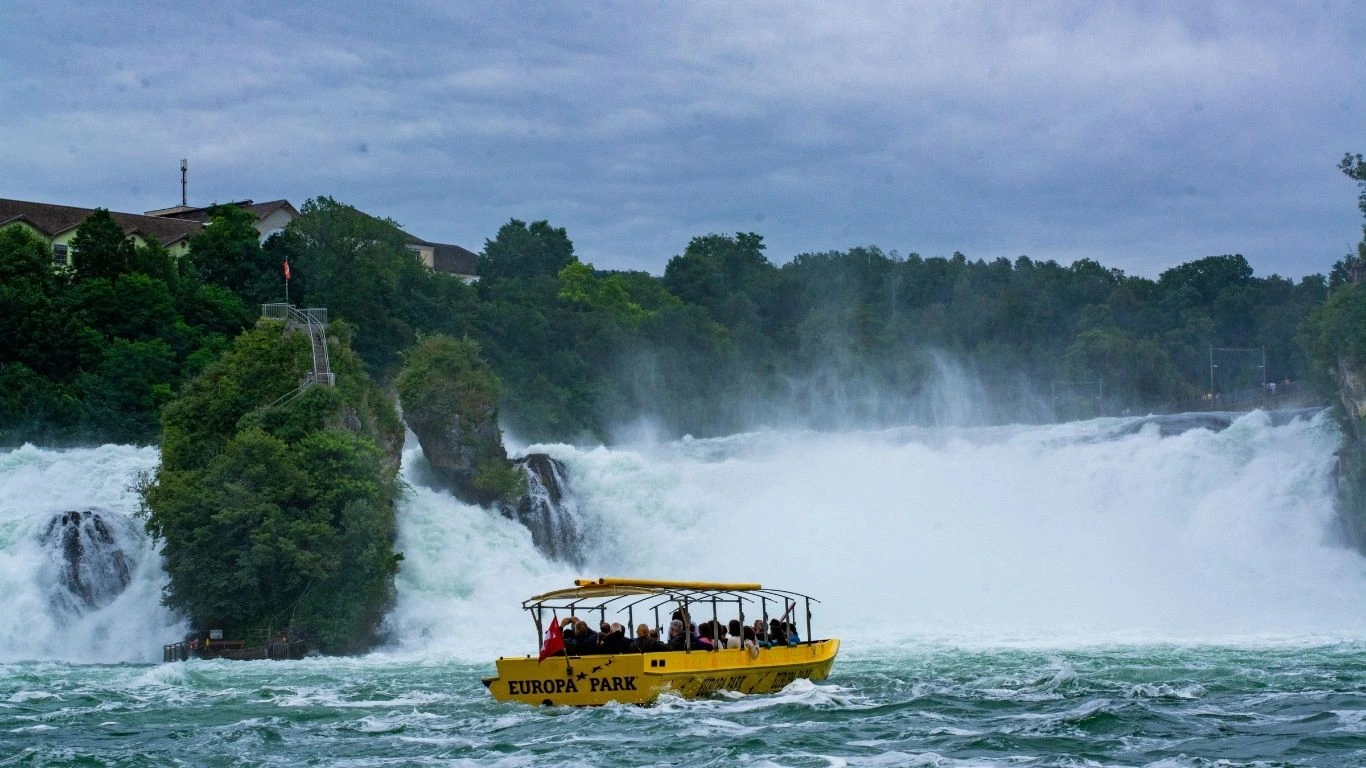
Peak Summer (July – August): High Alpine Hiking & Lakes
Summer is Switzerland's quintessential peak season. Days are long, temperatures in the valleys hover comfortably between 20°C and 28°C, and all mountain infrastructure is fully operational. Alpine wildflower meadows are in full bloom, making it the supreme window for high-altitude trekking in regions like Grindelwald, Lauterbrunnen, and Zermatt.
During these months, urban life moves outdoors. Locals and visitors alike gather along the shores of Lake Geneva, Lake Lucerne, and Lake Zurich to enjoy open-air swimming, paddleboarding, and evening lakeside dining.
Popular mountain peaks like Jungfraujoch and Mount Pilatus get heavily crowded by 11:00 AM. Take the very first cable car or cogwheel train of the day (usually around 7:30 AM to 8:00 AM) to enjoy serene trails and shorter queues.
Autumn (September – October): Golden Foliage & Wine Harvest
Autumn is considered by seasoned Swiss travel experts to be one of the best times to explore the country. September maintains pleasant summer-like warmth while tourist crowds thin out significantly. By October, the alpine larch trees turn brilliant shades of gold and yellow, creating breathtaking photography opportunities against snow-capped peaks.
It is also the official wine harvest season, especially in the terraced Lavaux vineyards along Lake Geneva—a UNESCO World Heritage site where you can participate in seasonal wine tastings and rustic village festivals.
Winter Wonderland (December – March): Skiing & Festive Markets
From December through March, Switzerland transforms into an enchanting winter paradise. World-renowned ski domains such as Zermatt, St. Moritz, Davos, and Verbier offer hundreds of kilometers of pristine, powdered ski slopes, snowshoeing trails, and toboggan runs.
In December, major cities like Zurich, Basel, and Bern come alive with twinkling Christmas lights, festive outdoor ice rinks, and traditional markets serving hot mulled wine (Glühwein) and authentic Swiss cheese fondue.
Ski resorts sell out months in advance for the Christmas/New Year holiday period (Dec 20 – Jan 5) and the mid-February European school holiday weeks. Premium booking rates apply during these peak winter dates.
Spring Awakening (April – June): Low Season Budget Hacks
Spring offers a unique dual experience in Switzerland. While lowlands and cities bloom with tulips and mild weather, high-altitude mountain passes remain snow covered. Late April to May represents the true low season (Zwischensaison), making it the cheapest time of year to visit.
However, travelers should note that several mountain cable cars and pan-alpine hiking trails close for annual maintenance during May before reopening for the summer season in early June.
Switzerland Weather & Crowds Matrix by Month
Plan your exact travel dates using our comprehensive monthly breakdown covering average lowland temperatures, high-altitude conditions, and expected crowd levels:
| Month | Avg Temp (°C) | Conditions | Crowd Level | Best For |
|---|---|---|---|---|
| January | -2°C to 4°C | Cold, Heavy Snow in Alps | High (Resorts) | Skiing, Winter Sports, Fondue |
| February | -1°C to 6°C | Peak Powder Snow | Very High | Alpine Skiing & Tobogganing |
| March | 2°C to 10°C | Late Winter / Spring Sun | Medium | Spring Skiing & City Tours |
| April | 6°C to 15°C | Mild Lowlands, Snow Melting | Low | Budget Travel & Lake Cruises |
| May | 10°C to 19°C | Spring Blooms, Rain Showers | Low | City Sightseeing & Waterfalls |
| June | 14°C to 23°C | Warm, Long Sunlight Hours | Moderate | Early Summer Hiking & Trains |
| July | 17°C to 27°C | Warm, Sunny, Occasional Storms | Very High | High Alpine Trekking & Lakes |
| August | 16°C to 26°C | Warm & Sunny | Very High | Outdoor Adventure & Festivals |
| September | 12°C to 21°C | Mild, Crisp Clear Days | Moderate | Hiking, Wine Tasting & Trains |
| October | 7°C to 15°C | Cool, Golden Autumn Foliage | Moderate | Photography & Cultural Trips |
| November | 2°C to 8°C | Chilly, Overcast, Early Snow | Low | Museums, Spas & City Breaks |
| December | -1°C to 4°C | Cold, Festive Snowfall | High | Christmas Markets & Skiing |
Switzerland by Region: How Climate Changes Across Cantons
Switzerland is small, but its climate is remarkably varied thanks to the Alps splitting the country into distinct weather zones. The "best" month can shift by several weeks depending on which region you're heading to, so it's worth planning around the local microclimate rather than a single national average.
Lake Geneva & Romandy
Milder and often several degrees warmer than the alpine interior, with a long shoulder season. Lavaux vineyards and lakeside towns like Montreux stay pleasant from April through October.
Bernese Oberland
Classic high-alpine weather around Interlaken, Grindelwald and Lauterbrunnen. Snow lingers on passes into June, and afternoon thunderstorms are common in mid-summer.
Ticino (Italian Switzerland)
Switzerland's warmest, sunniest corner with a near-Mediterranean feel. Locarno and Lugano are comfortable as early as March and stay mild well into October.
Graubünden & St. Moritz
The driest, sunniest of the alpine cantons, which is why resorts here often extend the ski season slightly longer than the Bernese Oberland or Valais.
Swiss Seasonal Travel Cost Estimator
Compare how the selected seasonal multiplier changes an illustrative lodging estimate. This is not a live hotel-price quote.
Estimated Lodging Expense:
Peak Season vs. Shoulder Season Comparison
Deciding between high peak season and tranquil shoulder months? Weigh the main advantages and drawbacks to match your travel expectations:
Peak Season (Jul–Aug / Dec–Feb)
- All cable cars, mountain passes, and panoramic trains run at 100% capacity.
- Ideal weather conditions for high alpine hiking or world-class ski powder.
- Vibrant, energetic atmosphere across mountain villages and city hubs.
Shoulder Season (May & Oct–Nov)
- Lower accommodation rates and significantly cheaper transit pass deals.
- Zero overcrowding at iconic photo locations like Iseltwald and Zermatt.
- Some mountain cable cars close briefly for seasonal safety maintenance.
Best Time to Visit Switzerland by Traveler Type
Beyond the season itself, who you're traveling with — and what you want out of the trip — should shape your timing:
Families with Kids
Late June and early September combine open trails, running cable cars, and school-holiday-free crowds — easier logistics with children in tow.
Couples & Honeymooners
December's Christmas markets or late September's golden light offer the most romantic, photogenic settings without peak-summer crowds.
Photographers
Early October for larch-gold alpine colour, or February for crisp blue-sky powder days — both offer dramatic light with fewer people in frame.
Budget Backpackers
April and November bring the steepest discounts on hostels and rail passes, though expect some cable cars closed for maintenance.
What to Pack by Season
Swiss weather can shift quickly with altitude, so layering is essential year-round. Use this quick packing reference alongside the monthly matrix above:
Summer (Jun–Aug)+
Breathable hiking layers, a packable rain shell for sudden alpine storms, sturdy broken-in boots, sunglasses and high-SPF sunscreen for high-altitude UV exposure.
Autumn (Sep–Oct)+
Layerable fleece or light down mid-layer, a windproof jacket, and waterproof footwear — mornings can be near freezing even while afternoons stay mild.
Winter (Dec–Mar)+
Insulated waterproof coat, thermal base layers, waterproof boots with good grip for icy pavements, gloves, and a warm hat — even if you're not skiing.
Spring (Apr–May)+
Versatile layers for mild lowland days, plus a warmer jacket if venturing to higher elevations where snow can still linger into early June.
Want to take this guide offline on your mountain tracks?
Recommended Booking Platforms & Passes
To maximize your savings and secure reliable transit across the Swiss Travel System, we recommend booking through these officially trusted travel partners:
Swiss Travel Pass
Unlimited travel on trains, buses, and boats across Switzerland, plus free entry to 500+ museums.
klook.com Alpine Hotels
Reserve Swiss hotels and mountain chalets with free cancellation options and best rate guarantees.
Best eSim Airalo
Explore Airalo eSIM options for staying connected while traveling in Switzerland.
Frequently Asked Questions
Which month is the absolute cheapest time to visit Switzerland?+
The most affordable months to visit Switzerland are April, May, late October, and November. During these shoulder windows, hotel prices drop by up to 30–40%, and tourist crowds are at their lowest point of the year.
When is the best time for hiking in the Swiss Alps?+
The optimal season for high-altitude alpine hiking is from July through mid-September. By July, snow has completely cleared from mountain passes, opening trails above 2,000 meters in spots like Grindelwald, Zermatt, and the Engadin valley.
When does the ski season start in Switzerland?+
Reliable ski conditions in Swiss alpine resorts begin in mid-December and extend through late March or early April. High-altitude glacier resorts like Zermatt and Saas-Fee offer skiing even earlier in the late autumn months.
Does the best time to visit change by region?+
Yes. Ticino in the south stays mild and sunny from March through October, while high-alpine cantons like Graubünden and the Bernese Oberland keep snow on passes into June. Check the regional breakdown above before locking in dates.
Is Switzerland worth visiting in the rainy shoulder months?+
Yes, especially for city breaks, museums, spas, and lake cruises. Pack a proper waterproof layer, expect more overcast days, and you'll trade some outdoor certainty for lower prices and thinner crowds.
How far in advance should I book for peak season?+
For Christmas/New Year, February school holidays, or peak July–August dates, aim to book flights, hotels and mountain rail passes 3–6 months ahead, since popular alpine resorts sell out early.
Official Swiss Weather & Transit Resources
Stay up to date with real-time mountain conditions and transit schedules through these official channels:
- MeteoSwiss – Official Federal Office of Meteorology and Climatology
- SBB CFF FFS – National Swiss Railway Timetables and Route Networks
- MySwitzerland – Switzerland Tourism Board Seasonal Travel Updates