- The motto: Pack light, pack technical, pack smart — every extra kilogram slows your ascent.
- Three core categories: Technical clothing, trail gear and accessories, and a compact safety kit.
- The pro secret: Use SBB's station-to-station luggage transfer service on multi-day treks and hike unburdened.
Standing at the base of a world-famous Swiss alpine trail with a heavy, overstuffed backpack cutting deep bruises into your shoulders is a guaranteed recipe for misery.
When prepping to tackle spectacular trails like the Eiger Trail or the challenging paths around Zermatt, your technical motto must always be: pack light, pack technical, and pack smart. Every extra kilogram sitting inside your pack will physically slow your ascent and tire your muscles earlier in the afternoon. Yet forgetting an essential alpine safety layer or a hydration filter can quickly turn an exciting holiday into a genuine wilderness emergency. This expert-vetted packing list divides your trail items into easy categories so you can scale the Alps with complete comfort.
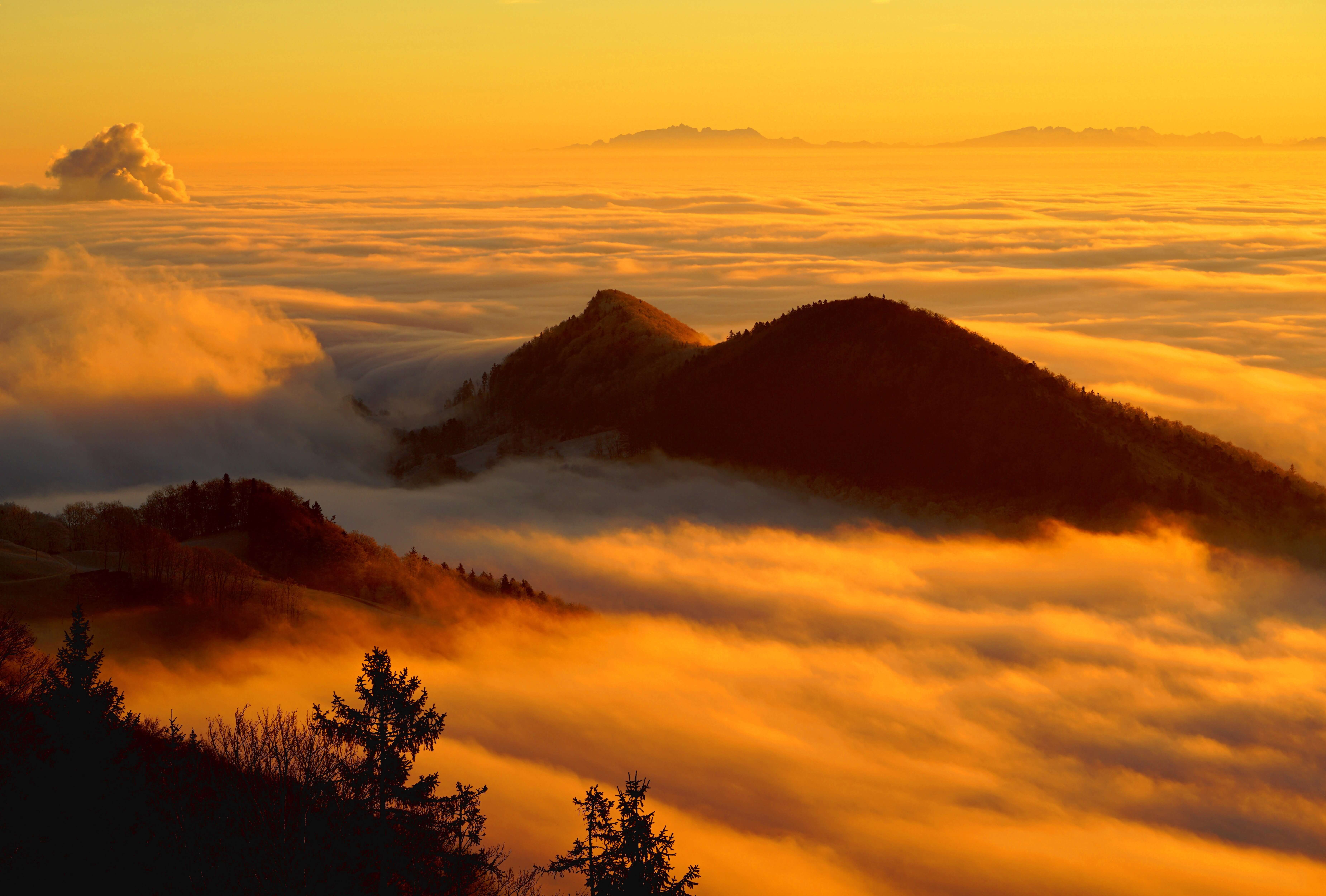
The Absolute Alpine Packing Blueprint
1. Technical Clothing & Layering Essentials
As seasoned mountain guides say, cotton is your worst enemy in the wilderness. It absorbs cold sweat, retains damp moisture, and triggers rapid body temperature drops when freezing alpine winds pick up.
Ensure your packing sheet includes:
- Synthetic or Merino wool base layers: At least two lightweight shirts designed to pull sweat away from your skin.
- Insulating fleece or mid-layer puffer: A highly compressible down jacket to keep you warm on breezy high summits.
- Waterproof windbreaker hardshell: A high-tier jacket, ideally with a Gore-Tex membrane, to shield you from alpine storms.
- Convertible hiking pants: Technical, quick-dry pants that zip off into shorts during warm valley afternoons.
2. Technical Trail Gear & Accessories
The terrain of the Swiss Alps is incredibly vertical, alternating between soft alpine meadows and steep, jagged fields of loose gravel. Your balance and stability must remain rock-solid.
- An ergonomic 25L daypack: A specialized pack with an integrated rain-cover wrap and breathable mesh suspension backing.
- Collapsible trekking poles: Indispensable tools that absorb up to 25% of shock impact away from your knees during long descents.
- High UV sunglasses & alpine sunscreen: Thin atmospheric layers and reflecting glacier ice can cause a painful sunburn in minutes — bring premium Category 3 or 4 UV-protected eyewear.
3. Safety Kits & Emergency Hydration
Even on popular, heavy-traffic Swiss trails, packing a compact safety kit is a vital precaution that should sit inside your daypack at all times. Make sure your kit holds premium blister plasters (like Compeed), specialized athletic tape, basic pain relief medication, and an ultra-light emergency foil space blanket. For hydration, carry a durable, reusable water bottle. While the pure alpine streams flowing along Swiss trails look enticingly clean, always filter your water before drinking to avoid intestinal bacteria from grazing cows located up-valley.
Packing Category Quick Reference
| Category | Key Items | Why It Matters |
|---|---|---|
| Technical Clothing | Base layer, mid-layer, hardshell, convertible pants | Regulates temperature through sudden alpine weather shifts |
| Trail Gear | 25L daypack, trekking poles, Category 3–4 sunglasses | Protects balance, joints, and eyes on steep terrain |
| Safety & Hydration | Blister plasters, foil blanket, water filter/bottle | Turns a minor mishap into a manageable one, not an emergency |
The Smart Luggage Transfer Secret
If you're executing a multi-day trek from one village destination to another, here's a fantastic logistical secret: you don't have to carry all your heavy, primary vacation luggage across the actual mountain trail.
The Swiss Federal Railways network operates a highly efficient, seamless station-to-station luggage shipping service. You can drop your heavy suitcases off at a train station ticketing terminal in the morning, and the railway will transport them securely on a fast train to your next evening hotel stop, letting you hike completely unburdened with just a lightweight daypack.
Pros and Cons of the Luggage Transfer Service
What We Like
Lets you hike multi-day routes with just a lightweight daypack.
Removes the physical strain of carrying full luggage over mountain terrain.
Runs on the same reliable schedule as the rest of the Swiss rail network.
What to Keep in Mind
You won't have access to your main luggage during the day's hike.
Requires planning drop-off and pickup times around station hours.
Your daypack still needs to carry a full safety and hydration kit.
Complete Your Professional Trail Setup
Venturing into high alpine elevations requires the right harmony of gear and travel documents. To lock down regional travel pass vouchers, secure discount bookings for alpine cable cars, and arrange smooth panoramic train transfers between trekking hubs, coordinate your planning via Klook. Also head to Amazon for technical Merino wool base socks, rugged carbon-fiber hiking poles, waterproof daypacks, and compact safety first-aid kits before your flight.
Frequently Asked Questions
How does the SBB luggage transfer service work?+
You drop your heavy suitcase off at a train station ticketing terminal in the morning, and the Swiss railway transports it securely to your next hotel, letting you hike unburdened with just a lightweight daypack.
Is it safe to drink from Swiss mountain streams during a hike?+
While alpine streams look enticingly clean, it's best to always filter your water first to avoid intestinal bacteria from grazing cows located up-valley.
How many base layers should I pack for a multi-day trek?+
At least two lightweight synthetic or Merino wool base layer shirts designed to pull sweat away from your skin, so you can alternate and wash them at overnight stops.
Do I need Category 4 sunglasses for Swiss hiking?+
For high-altitude trails or glacier crossings, premium Category 3 or 4 UV-protected eyewear is strongly recommended, since thin atmospheric layers and reflecting ice fields can cause sunburn and eye strain within minutes.
What should be in a compact trail safety kit?+
Premium blister plasters (like Compeed), specialized athletic tape, basic pain relief medication, and an ultra-light emergency foil space blanket, plus a durable reusable water bottle.
Hit the Swiss Trails with Absolute Confidence
Packing correctly for the challenging Swiss Alps is all about finding the perfect balance between lightweight mobility and comprehensive safety protection. By checking off high-performance technical apparel, lacing up rugged boots, and carrying proper emergency and hydration accessories, you can handle any surprise shift in mountain weather with ease. Lay out your gear early, check off each item step-by-step, and head out to explore the most spectacular trails in Europe.