- The Layer Rule: Dress like an onion — moisture-wicking base, insulating fleece mid-layer, and a waterproof outer shell.
- Footwear Focus: Leave thin fashion shoes behind. You need supportive footwear with deep rubber lugs for wet mountain platforms and trails.
- Power Note: Switzerland uses Type J sockets. Standard fat European plugs do not sit deeply inside the recessed outlets.
- Smart Transit Saving: Load your train passes onto your phone beforehand to avoid paper ticket hassles.
Packing for Switzerland isn't like preparing for a standard city break. You might spend your morning walking through a warm, sunny lake valley and your afternoon standing on a freezing alpine glacier at nearly 4,000 meters.
The secret to packing efficiently for the Swiss transit system is minimizing weight while prioritizing high-quality apparel layers. Lugging massive suitcases up narrow train aisles or across cobblestone paths in old towns gets tiring very quickly. Whether you are traveling solo, visiting with family, or trying to avoid expensive mountain resort store prices, this packing framework keeps things incredibly practical.
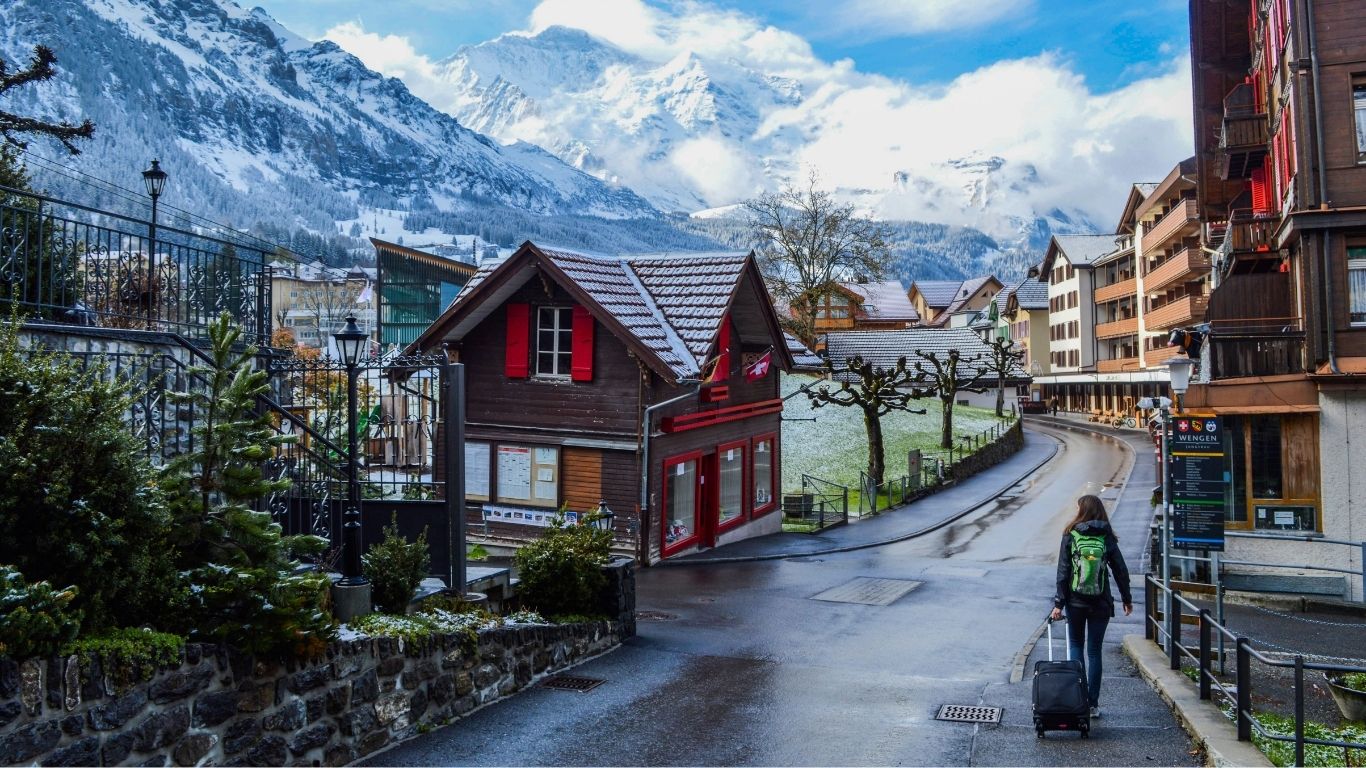
The Alpine Clothing System
Weather down in central Interlaken or Geneva during summer can be quite warm, but as soon as you scale mountain railways like Gornergrat or Jungfraujoch, the ambient temperature plunges heavily. Packing heavy individual jackets takes up valuable bag space.
Instead, focus on modular layers. Bring lightweight merino wool or synthetic base tops that trap body heat without causing sweat buildup. Add a reliable mid-layer fleece or a packable down jacket, and top everything off with a windproof and rainproof hard shell layer. This allows you to strip down or bundle up within minutes as your altitude changes.
Snowy peaks reflect UV rays intensely. Always keep a pair of polarized sunglasses and a basic brimmed hat stowed in your outer pack pocket to prevent eye strain during scenic shoots.
Smart Footwear Choices
A massive packing mistake is bringing flat-soled city sneakers. Even if you don't plan to complete long alpine trail segments, you will still encounter steep station platforms, gravel pathways, and wet viewing decks.
Pack one worn-in pair of waterproof trail-running shoes or low-cut hiking boots featuring deep rubber soles (like Vibram). Pair these with synthetic cushion socks to keep blisters at bay during long station walk days. You can wear your heaviest footwear during travel days to save massive space inside your primary luggage piece.
Essential Alpine Electronics
Switzerland uses a highly specific diamond-shaped wall outlet (Type J). Standard thick, circular European plugs often fail to fit down inside these recessed sockets. A universal adapter with sliding extended pins works best.
Additionally, low sub-zero temperatures up on alpine viewing spots drain camera and mobile phone batteries twice as fast as normal city environments. Always stow a high-capacity power bank inside an internal coat pocket to keep your devices warm and functioning throughout the day.
Bags & Luggage Strategy
Swiss trains run down-to-the-second schedules, meaning boarding and offboarding windows are brief. If you are struggling with two massive, heavy rolling suitcases, transit quickly turns into a stressful chore.
Aim to limit yourself to a single lightweight 40L-50L travel backpack or a compact cabin-sized spinner bag. Additionally, pack a small 15L packable daypack. This allows you to stow your main luggage safely in train racks or station lockers while you carry just your daily snacks, layers, and rail passes up to peak cable car systems.
Seasonal Gear Requirements Matrix
Compare what to prioritize by season so you can weight your bag accordingly:
| Travel Season | Core Focus | Must-Pack Item | Luggage Weight Priority |
|---|---|---|---|
| Summer (Jun–Aug) | Trail hiking & lakes | Light fleece & polarized sunwear | Low (Pack light) |
| Shoulder (Apr–May / Sep–Oct) | Shifting valley weather | Waterproof outer shell jacket | Medium (Layers mandatory) |
| Winter (Nov–Mar) | Alpine snow & skiing | Thermal underwear & heavy boot lugs | High (Heavy winter gear) |
Pros & Cons of Minimalist Alpine Packing
Packing light pays off across Swiss transit, but it comes with a few honest trade-offs:
The Benefits
Seamless movement through busy train stations and narrow platform gates, savings on large multi-bag luggage transfer fees, and an easy fit inside standard station rental lockers.
The Trade-offs
Requires the occasional quick sink laundry for base socks and shirts, and limits your daily clothing rotation for evening restaurant dining.
Practical Travel Day Strategies
A few habits make the difference between a smooth trip and a scramble at the platform:
Family Travel Tip
Dedicate one daytime backpack solely for immediate weather layers and shelf-stable snacks bought at local valley supermarkets.
Budget Hack
Avoid buying sunscreen or plug adapters at mountain peaks — retail shops near terminals charge steep tourist premiums versus base grocery chains.
Safety Rule
Never set off on a high-altitude afternoon trek without a small, fully charged backup headlamp — alpine mountain shadows drop rapidly.
Want to take this packing checklist offline on your travels?
Recommended Gear & Travel Pass Resources
To avoid paying premium mountain retail rates, order your essential gear ahead of time and lock in your transit discounts before you land:
Amazon
Universal travel plugs, packable layers, and space-saving compression bags — order ahead of your trip.
Klook
Verify and book your Swiss Travel Pass discounts online for seamless station boarding.
Frequently Asked Questions
What type of adapter do I need for Switzerland?+
Switzerland uses Type J plugs. While standard Europlugs (Type C) fit into most shallow Swiss sockets, thick or grounded European plugs will not work without a specific Swiss adapter.
Should I bring a suitcase or a backpack to Switzerland?+
A sturdy travel backpack or a small hardshell rolling suitcase is best. Steeper alpine paths, train transfers, and cobblestones make oversized luggage highly impractical.
Can I drink tap water in Switzerland, or should I pack a filter?+
Swiss tap water is exceptionally clean and completely safe to drink everywhere, including from public village fountains, unless noted otherwise. Pack a simple reusable bottle to save on drinks.
Official Swiss Resources
For official regulations, regional updates, and comprehensive planning tools, consult these authoritative Swiss portals: