- Dynamic Pass Pricing: Most large Swiss resorts use dynamic ticket pricing. Booking your lift window weeks ahead online can save up to 40%.
- The Rail Connectivity Benefit: Skip the rental car. Swiss trains connect seamlessly right to base gondola stations, avoiding pricey winter parking.
- Gear Selection Core Rule: Renting hardware near valley transit terminals is significantly cheaper than sourcing it directly at high-altitude lookouts.
Skiing in Switzerland is often viewed as a playground reserved strictly for high-end luxury travelers. With legendary peaks like the Matterhorn providing the backdrop and impeccably groomed pistes extending over hundreds of kilometers, it is easy to see why.
However, hitting the iconic slopes of Zermatt, Verbier, or Grindelwald does not have to drain your life savings. The trick lies in masterfully managing your regional lift tickets, choosing smart transit connections, and avoiding the massive markup fees charged by slope-side commercial vendors. Whether you are aiming for black diamond runs or simple beginner nursery hills, this logistical framework guarantees a smooth mountain experience.
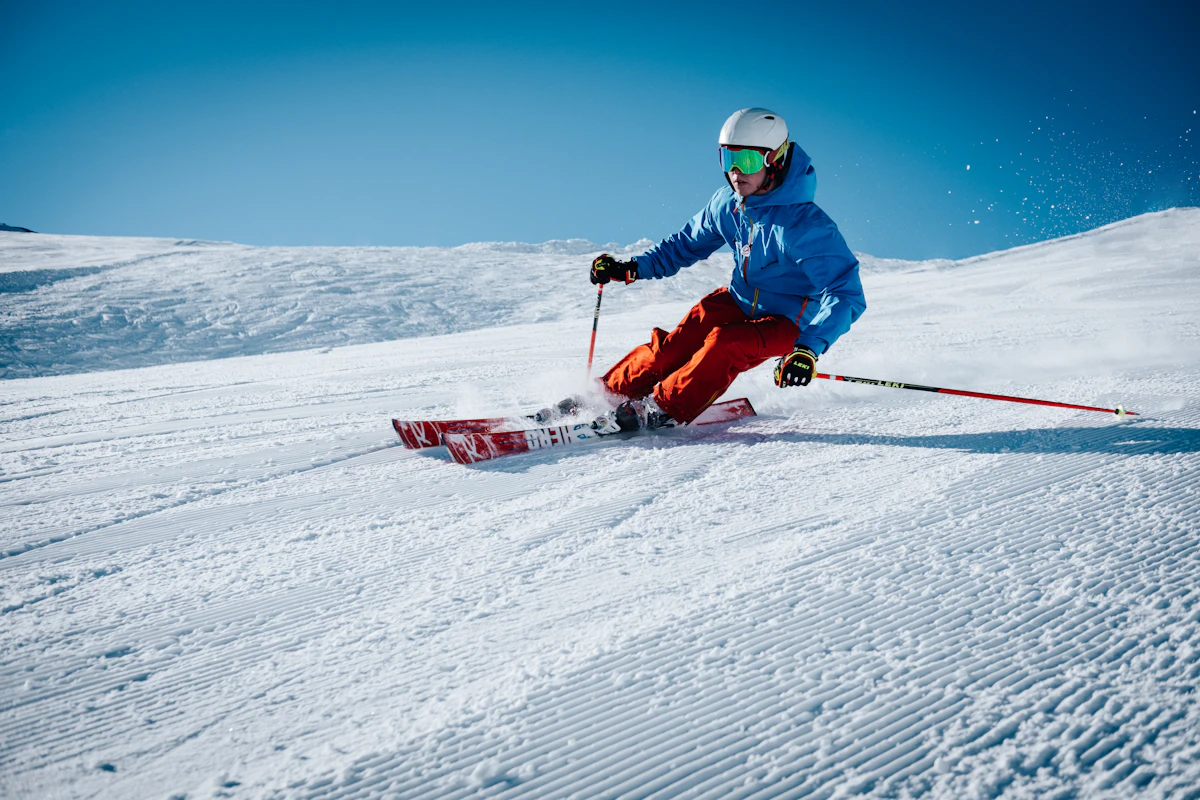
Top-Tier Swiss Ski Resorts Analyzed
Different mountain regions serve vastly different target profiles. For guaranteed snow conditions paired with jaw-dropping dramatic scenery, Zermatt remains unbeatable. Its massive trail network stays connected to Italian slopes, though it commands a premium financial footprint.
If you seek challenging powder lines and an intense après-ski cultural vibe, Verbier inside the 4 Vallées domain represents the ultimate gold standard. Meanwhile, those looking for family-oriented progression slopes and easy rail commutes generally point their direction toward the Jungfrau Region (Grindelwald and Wengen).
Sourcing Ski Passes Smartly
Purchasing a single-day lift pass directly from a resort box office terminal on a bright Saturday morning is the absolute worst financial mistake. Prices surge drastically during peak weather frames.
Instead, check for multi-day region tickets like the Magic Pass or early-bird promotional passes on dedicated booking partner systems. Sourcing early guarantees protection against localized rate changes and lets you seamlessly bypass the morning physical counter ticket lines.
Equipment Rental and Packing Hacks
Unless you travel with full personalized ski bags, luggage management can quickly get cumbersome on cross-country rail connections. High-end hardware rentals are readily available throughout Swiss destinations.
High alpine UV glare and sub-zero wind chills require specialized anti-fog goggles and robust thermal protective layers. Never compromise on proper optical safety gear while carving high-elevation glacier zones.
Mountain Winter Transit Strategies
Swiss ski logistics excel because of the federal train matrix (SBB). Car rental operators hit international clients with premium seasonal tire and snow-chain costs. Furthermore, highly popular ski towns like Zermatt are completely car-free zones.
Utilize integrated luggage transfer programs offered across major national hubs, or pack a compact, streamlined rolling bag strategy to secure effortless shifts between express intercity links and narrow regional cogwheel platforms.
Swiss Ski Resorts Metric Matrix
Compare snow profile, difficulty split, and how easy each resort is to reach by train:
| Ski Resort Region | Best Profile Match | Difficulty Split | Transit Accessibility |
|---|---|---|---|
| Zermatt | Glacier views & expert long runs | Intermediate / Advanced | Excellent (Direct cogwheel train) |
| Verbier (4 Vallées) | Off-piste powder & night life | Advanced / Hardcore | Good (Train + base gondola) |
| Jungfrau Region | Families, beginners & sightseers | Beginner / Intermediate | Outstanding (Direct terminal hubs) |
Pros & Cons of Booking a Swiss Ski Vacation
Swiss slopes deliver on infrastructure and reliability, but the cost trade-offs are real:
Major Advantages
Unrivaled infrastructure and world-class lift safety standards, highly reliable snow due to extreme glacier elevations, and direct train terminal connections right to primary lift lines.
Key Trade-offs
On-mountain food and hospitality expenses run higher than neighboring countries, and cost-effective lodging requires strict advance booking.
Want to take this ski planning guide offline on your travels?
Verified Alpine Planning Tools
Maximizing your winter vacation requires coordinating transit passes and quality safety gear together early:
Klook
Buy verified Swiss ski attraction passes and travel connections for quick access to lifts and mountain experiences.
Amazon
Secure premium anti-fog snow goggles, base layers, and travel hardware before stepping onto the mountain.
Frequently Asked Questions
When is the best time to ski in Switzerland?+
The prime Swiss ski season runs from mid-December through late March. High-altitude resorts like Zermatt and Saas-Fee offer extended seasons, sometimes stretching well into April or even May.
Is it cheaper to rent ski gear online or at the resort?+
Renting your ski gear online ahead of time is significantly cheaper. Walk-in rates at premium mountain shops carry heavy tourist premiums, whereas advanced bookings often yield 15% to 30% discounts.
Can I use the regular Swiss Travel Pass for ski lift chairs?+
No, the standard Swiss Travel Pass covers main intercity public transportation, regional trains, and mountain valley buses. It provides substantial discounts on standard mountain excursions but does not act as an active regional ski lift pass.
Official Winter Alpine Resources
For live snow conditions, regional updates, and rail planning tools, consult these authoritative Swiss portals: